

The Ultimate Guide to Keychains: 10 Essential Types of Key Rings, Clips, and Attachments
Keychains and key rings are ubiquitous yet critical accessories in our daily lives. They not only secure our most important keys but also serve as small tokens of personal style and functionality.
However, when it comes to purchasing or customizing, how do you make the right choice when faced with numerous types of key rings, keychain hooks, and key ring clips?
This article provides a comprehensive guide, delving into the different types of key rings, essential components, and their best applications to help you better understand and utilize these indispensable tools.
Part I: The Basic Types of Keychains and Key Rings
While “keychain” is a broad term, we can categorize them based on their primary structure and function. Understanding these types is the first step in selecting the right accessory.
1. The Classic Split Key Ring
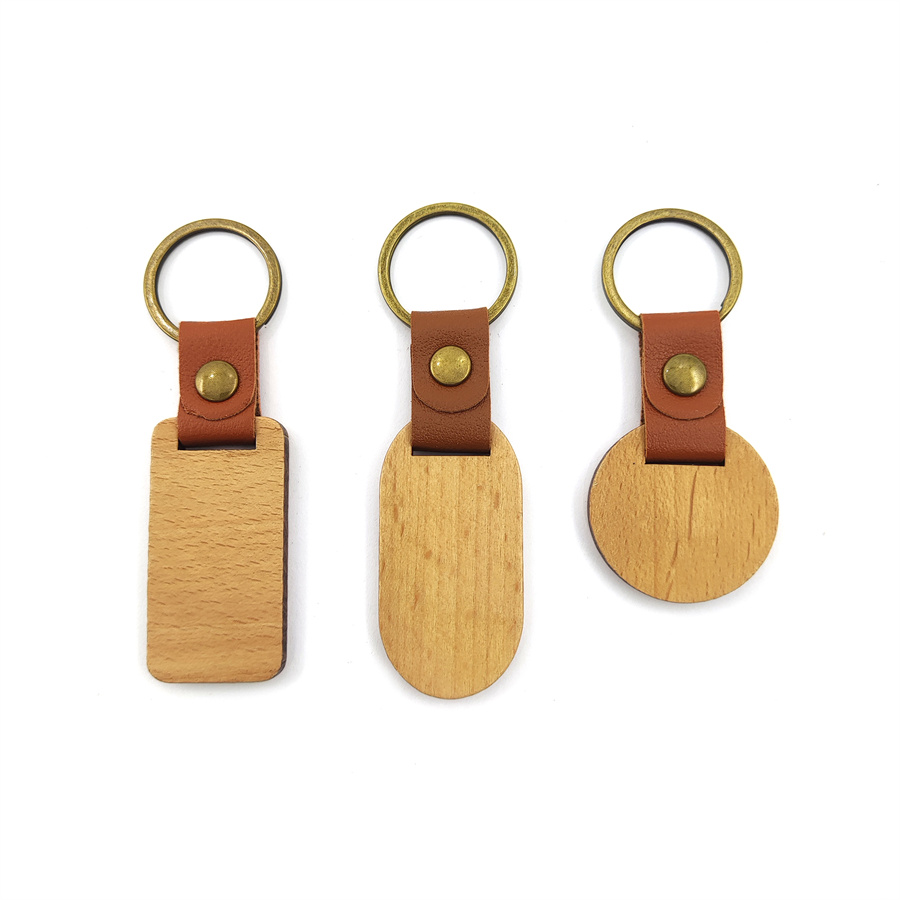
custom wood keychains04
This is the most common and traditional type. It consists of a piece of durable metal wire (often flattened or rounded) bent into a double or multi-layer spiral loop.
-
Characteristics: Provides exceptionally high security; once keys are attached, it is virtually impossible for them to accidentally fall off.
-
Application: The core of any key assembly, used to hold all primary keys and attachments.
-
Note: While durable and low cost, installing or removing keys can be difficult.
2. Functional Keychains
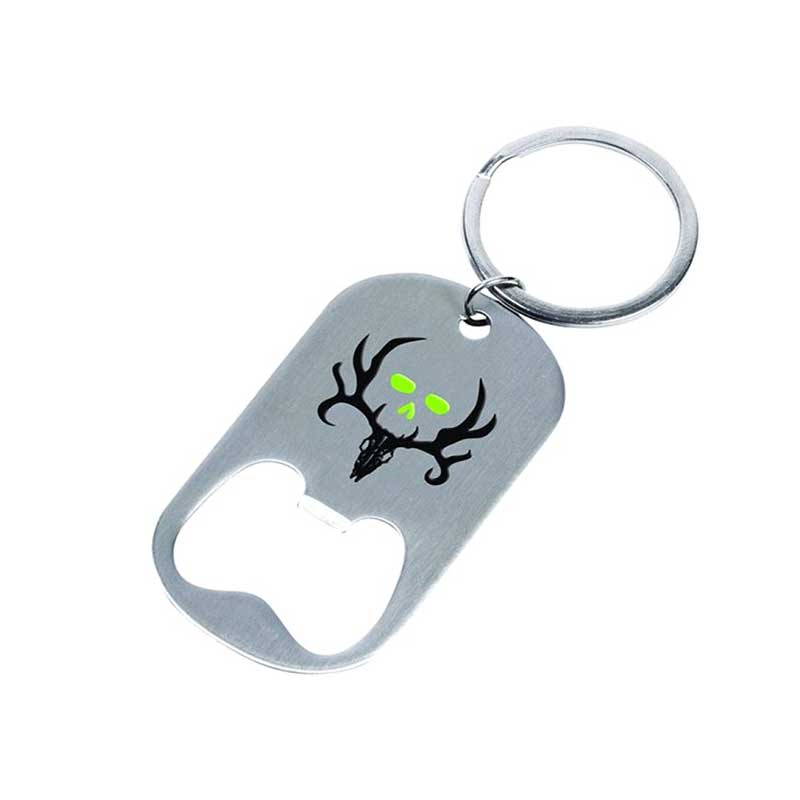
custom keyring bottle opener
These keychains go beyond merely holding keys by integrating extra utility, making them multi-functional tools.
3. Key Holders and Organizers
These accessories are designed primarily for key storage and organization, rather than just connection. They address issues of carrying too many keys, inconvenience, or keys scratching belongings.
-
Key Pouch: Typically made of leather or fabric, keys are stored inside the pouch and secured with a zipper or snap.
-
Key Organizer/Key Clip: A structured tool that stacks keys neatly on a screw or post, allowing them to fold out smoothly like a Swiss Army knife.
4. Decorative Key Fobs and Trinkets
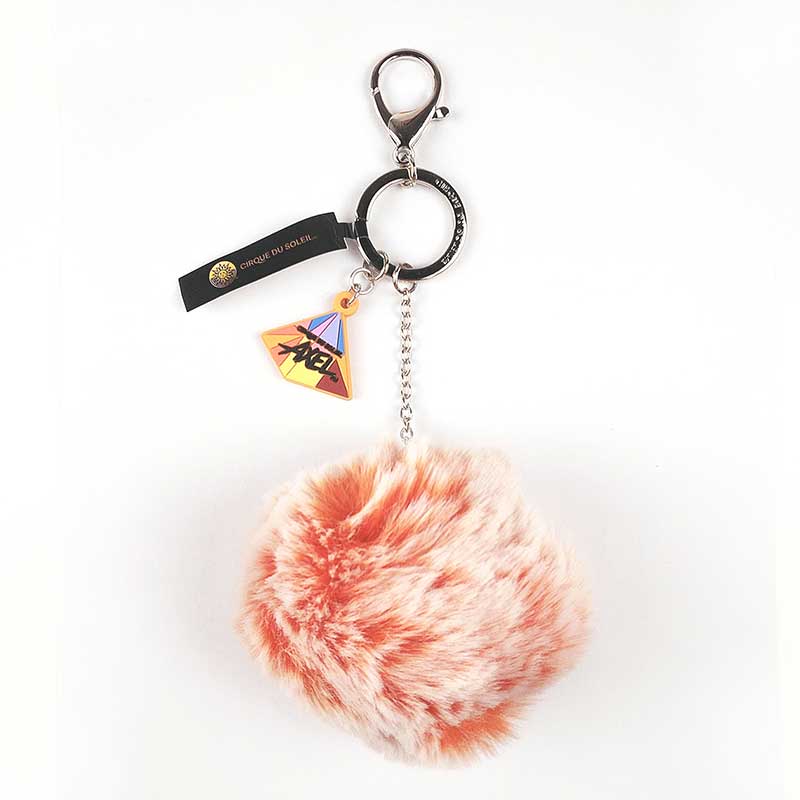
custom plush keychain
The primary value of these keychains lies in aesthetics and personalization. They are often large, themed pendants or accessories, such as:
-
Plush toys or figurines.
-
Custom name accessories (e.g., wooden name keychains).
-
Themed pendants.
Part II: Clasps and Attachments (The Components)
The attachments are the heart of the keychain, determining how quickly keys can be connected, detached, and worn.
5. Carabiner Clips
The carabiner is a common locking connector characterized by a hinged gate or screw lock.
-
Structure: Features a spring-loaded gate or screw lock mechanism.
-
Non-locking: Allows for quick attachment and detachment, suitable for hanging on belt loops or bags.
-
Locking: Provides higher security, preventing accidental detachment (often used for professional or heavy-duty applications).
-
Best Use: Attaching keys to a belt loop, backpack strap, or tool belt for quick access.
6. Lobster Clasps
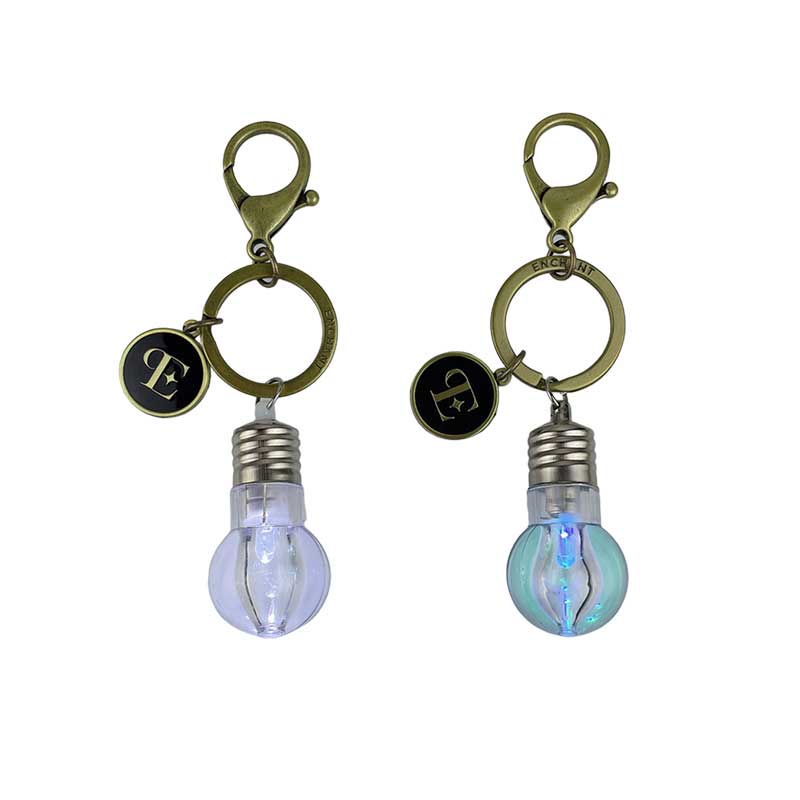
custom led keychains
Named for their resemblance to a lobster’s claw, these are one of the most popular quick-release clasps in keychains and jewelry.
-
Structure: The jaw opens when a small external lever is pressed, utilizing an internal spring mechanism.
-
Characteristics: Simple to operate, often allowing for one-handed use.
-
Best Use: Connecting the key ring to decorative accessories, or attaching the keychain to a purse hook or interior loop of a bag.
7. Spring Clips/Rings
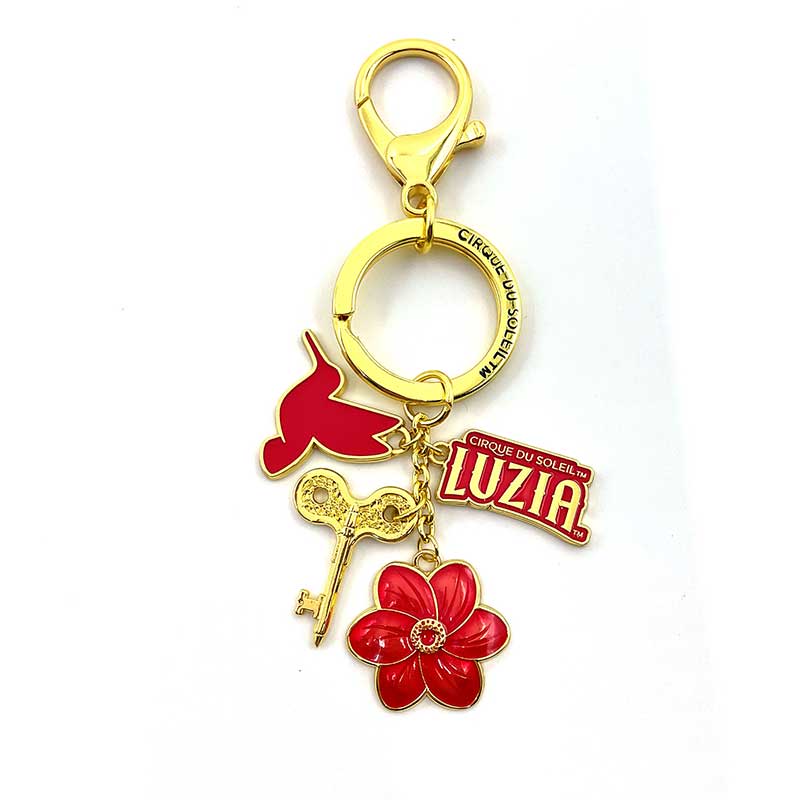
custom enamel keychains
These connectors use an internal spring mechanism for quick opening and closing, often coming in circular or oval shapes.
-
Characteristics: Sleek design, often used to connect the keychain to a strap.
-
Application: Ideal for quick separation of the main keys from a temporary set (e.g., separating a valet key).
Part III: Essential Components and Key Distinctions
8. Keychain Components: What are the Common Parts of a Key Assembly?
A typical keychain assembly is composed of several key components:
-
Key Ring: The split metal loop that physically holds the keys.
-
Clasp/Hook: The connector used to attach the key ring and accessories, or to secure the entire assembly to clothing or a bag (e.g., carabiner, lobster clasp).
-
Chain/Links: A short segment of chain or links that connects the key ring and the clasp, adding flexibility and length.
-
Trinket/Fob: Any attached ornamental item or small tool.
9. Keychain vs. Key Ring: What is the Difference?
Interchangeable Usage
It’s important to note that the terms are often used interchangeably in everyday language:
Regional Difference: In some regions, particularly the UK, key ring is the more conventional term, even for items that include a fob or chain. Keychain is more commonly used in North American English.
General Use: Most people will understand what you mean regardless of which term you use to describe the object holding your keys.
Would you like to search for the most popular type of keychain or key ring designs currently available?
10. Lanyards and Straps
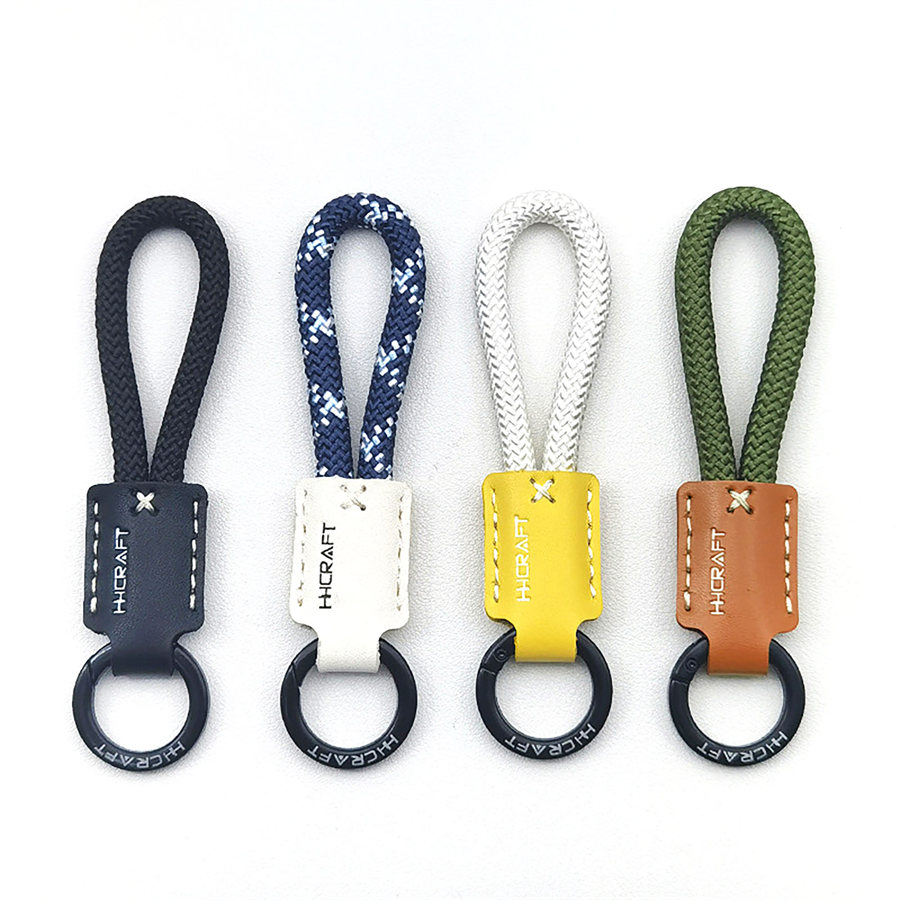
custom nylon keychains06
While not strictly a “ring,” lanyards and straps are an important method of key connection and wear. They are typically made of nylon, leather, or fabric.
-
Characteristics: Suitable for wearing around the neck or wrist, often used for ID badges or large batches of keys.
-
Application: Allows for quick access and helps prevent loss.
As a factory with 15 years of experience in providing customized promotional gifts for major gift companies and marketing agencies, we support custom keychains according to your ideas. We offer in-house one-stop free design services, factory-direct pricing, and 100% quality-assured delivery. If you’re interested, feel free to reach out to us.
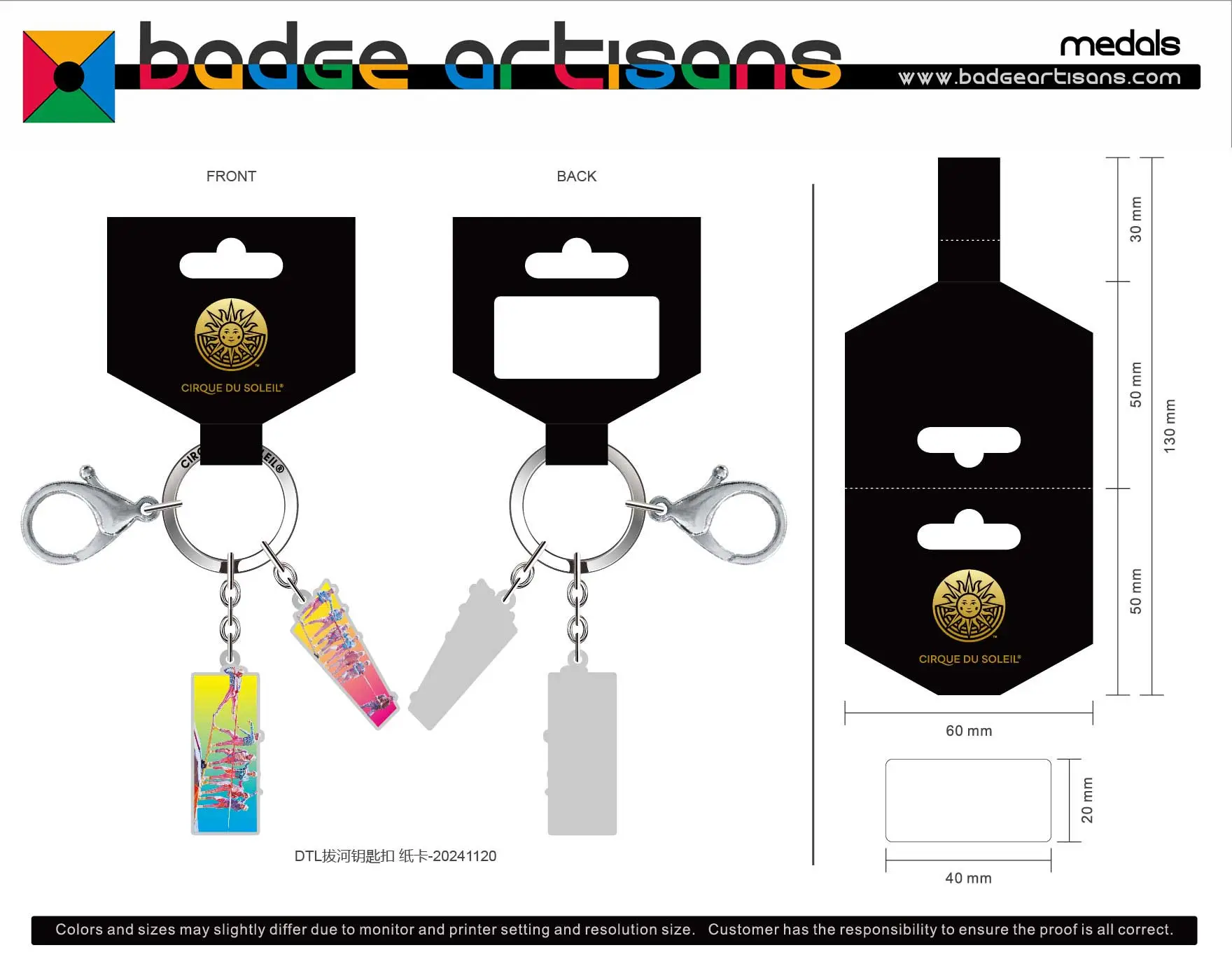
custom-keychains-manufacturer support free in-house design service
Feel free to leave us a message below, and we’ll get back to you within 24 hours!