Quality Control for Custom Promotional Gifts
Six Checkpoints From Mold to Carton, With Written Proof at Every Stage
Most bulk-order quality problems do not start at final inspection. They begin earlier — with artwork details, unclear specifications, color references, tooling decisions, or an unconfirmed pre-production sample.
Badge Artisans is an in-house manufacturer, not a third-party inspection company. We manage quality through a traceable process from artwork review to final packing, with defined checkpoints, measurable criteria, written confirmations, photos, videos, and inspection records.Our quality control process covers custom lapel pins, challenge coins, keychains, badges, medals, bottle openers, fridge magnets, luggage tags, coasters, and other custom promotional gifts.
Why Bulk Order Quality Is a Different Problem
A good sample and 10,000 consistent production pieces are two different challenges. For bulk orders, quality depends less on one carefully finished sample and more on whether the production process stays stable from the first piece to the last.
Consistency Defects
Small differences may be invisible on one piece but obvious across hundreds or thousands of products.Common examples include plating shade variation, uneven enamel color, or print misregistration.
Cumulative Drift
Tool wear, production settings, or plating bath changes can create gradual variation during a long production run.That means the first cartons and the last cartons may no longer look exactly the same.
Assembly Failures
Loose clutches, weak magnets, cracked key rings, or moving parts can fail after use even if they look acceptable during packing.
Packaging Damage
Scratches, mixed items, shortages, and inadequate protection may happen after production if packing is not controlled properly.
Quality Control Starts Before Production
Most factory quality pages start at the mold room. We start earlier, because that is where bulk defects are created. Once artwork and specification are confirmed, the rest of the process is only executing them faithfully.
Most Bulk Defects Start in the Artwork File
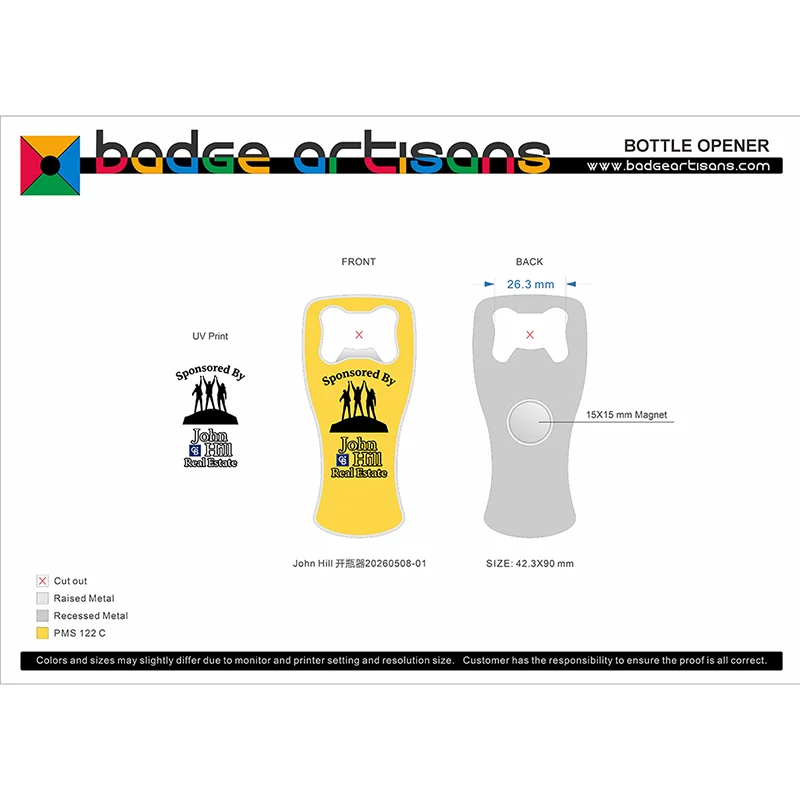
Artwork is the production reference for tooling, engraving, casting, printing, and enamel filling.
A 0.15 mm line may disappear during casting.
Text that has not been converted to outlines may change.
A hard-enamel color area that is too narrow may disappear during polishing.
That is why our first quality control step is not checking finished goods — it is reviewing the artwork before tooling begins.
We check line width, color areas, hole sizes, text outlines, and other manufacturing limits before production.

Color Codes Are Confirmed in Writing
For example, silver and matt silver are not the same plating finish. If the quotation says only “silver,” the expected result may be interpreted differently by the buyer and the factory.
For this reason, plating finishes are confirmed by full name and reference image whenever possible. Enamel and printed colors are matched to Pantone references where available.
If only CMYK or RGB values are provided, we recommend the nearest Pantone reference for written approval before production.
Pre-Production Sample Before Any Bulk Run
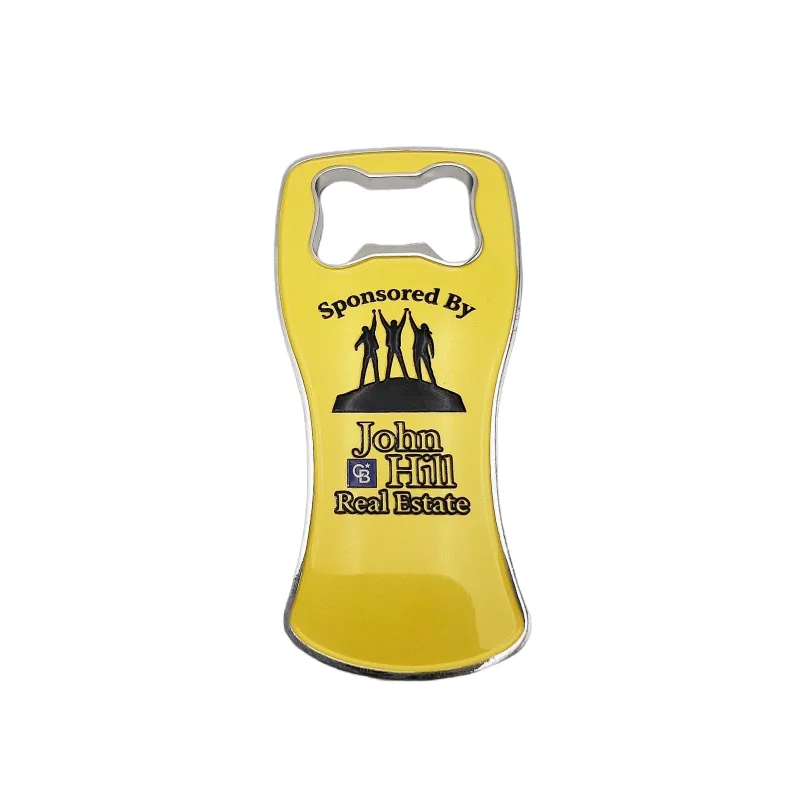
For color-sensitive projects, multi-color enamel, offset printing, or other appearance-critical orders, we prepare a pre-production sample for approval before mass production.
The sample confirms more than appearance. It helps *confirm:
*Color
*Plating finish
*Thickness
*Weight
*Surface feel
*Attachments
*Overall manufacturability
Once the sample is approved in writing, it becomes the reference for bulk production.
Six Control Points From Mold to Carton
Bulk quality is not something a final inspection can create. It is held by six points, each with its own owner. This is what we actually run, along with the failure mode that shows up most often at each point and how we control it.
|
# |
Control point |
Typical failure mode |
How we control it |
Owner |
|
1 |
Artwork and specification |
Line too thin, text not converted to outlines, ambiguous color code |
File review before mold cutting, written color confirmation, signed pre-production sample |
Design + sales |
|
2 |
Mold and first article |
Missing mold detail, first article does not match the artwork |
Trial die casting after CNC or EDM mold cutting, first article checked line by line against the digital proof |
Mold room + engineering |
|
3 |
Die casting and stamping |
Shrinkage, short fill, flash, dimensional drift |
Furnace temperature and injection pressure set per mold, semi-automatic polishing for a consistent feel, batch sampling after first article approval |
Casting + polishing |
|
4 |
Plating |
Color variation, exposed base metal, scratches, poor adhesion |
Rack plating to keep parts separated and prevent scratches, plating combinations run as Shiny+Shiny, Antique+Antique, or plating plus color spray |
Plating |
|
5 |
Coloring and printing |
Enamel bleeding, unfilled color areas, print misregistration, epoxy bubbles |
Soft enamel filled at 0.3mm or wider, imitation enamel at 0.5mm or wider, high-temperature tape to contain transparent enamel, baking after filling |
Coloring + printing |
|
6 |
Assembly and packing |
Loose fittings, wrong quantity, transit scratches |
Pin backs, keyrings, magnets and ribbons checked piece by piece, hinged and rotating parts bagged individually, cartons marked with both image and text |
Assembly + packing |
The Standards We Check Against
An inspection only means something if there is a standard to judge against. These are the numbers written into our internal inspection sheets and into the pre-production sample confirmation. They are not generic industry figures. They are derived from our own processes.
|
Check |
Standard |
How it is verified |
|
Raised or recessed metal line width, minimum |
0.2mm |
Artwork review before mold cutting, measured on the first article |
|
Soft enamel color area, minimum |
0.3mm |
Artwork review, pre-production sample |
|
Imitation (hard) enamel color area, minimum |
0.5mm |
Same, because hard enamel is polished and a small area is sanded away |
|
Hole diameter, minimum |
2mm, increased for products thicker than 2.5mm |
Artwork review, measured on the first article |
|
Plating combination |
Shiny+Shiny, Antique+Antique, or plating plus color spray |
Pre-production sample confirmation |
|
Transparent enamel |
High-temperature tape to contain the fill |
First article, then batch sampling |
|
Gritty finish |
Applied before plating, cut into the mold, no extra cost |
First article |
|
Sandblasting |
Applied after plating, extra cost. Around 95% of customers choose sandblasting with the raised areas wiped clean |
Pre-production sample |
|
Enamel and print color |
Pantone number, or the closest match where none is given, confirmed in writing |
Pre-production sample confirmation |
|
Plating color name |
Written in full, matt silver is not silver, with a swatch image |
Quotation and pre-production sample confirmation |
Where We Don’t Publish a Number, We Won’t Guess
Several figures that appear on other quality pages are not published here: plating thickness, dimensional tolerance, magnet pull force, pin post pull-out force and salt spray duration. The reason is that the same number does not mean the same thing across products. A 30mm pin and an 80mm police badge do not carry the same dimensional tolerance. A decorative fridge magnet and a keychain that is used every day do not need the same pull force.
Our approach is the opposite of publishing a generic figure. If you have acceptance criteria, send them and we will measure against your criteria at the pre-production sample stage and issue the data. If you do not have criteria, we propose values based on how the product will be used, write them into the sample confirmation, and run to the confirmed values. Every number then belongs to a specific order and a specific product, instead of sitting on a web page with no connection to your job. The full list of material and finish options is on plating and enamel color options.
Certifications and Factory Audits Behind the Process
Certifications are not just logos on a website. They are external reviews of whether a factory’s management and production systems are operating as required.For customers in retail, licensed merchandise, corporate procurement, and regulated supply chains, factory audits can provide an additional layer of supplier verification.
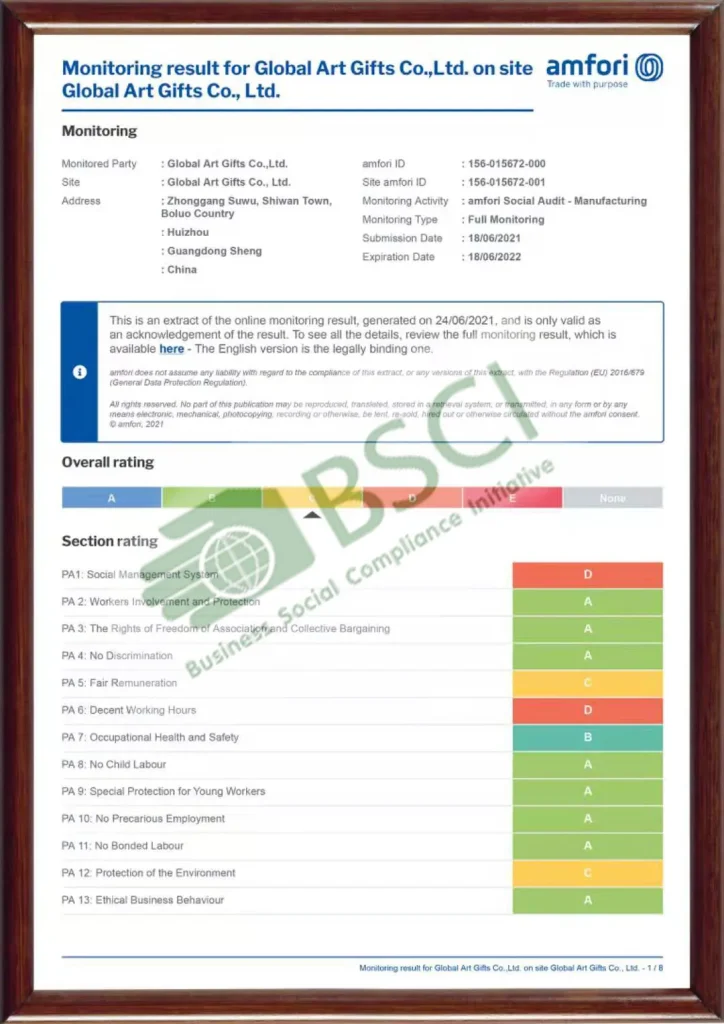 BadgeArtisans-BSCI Audit Report
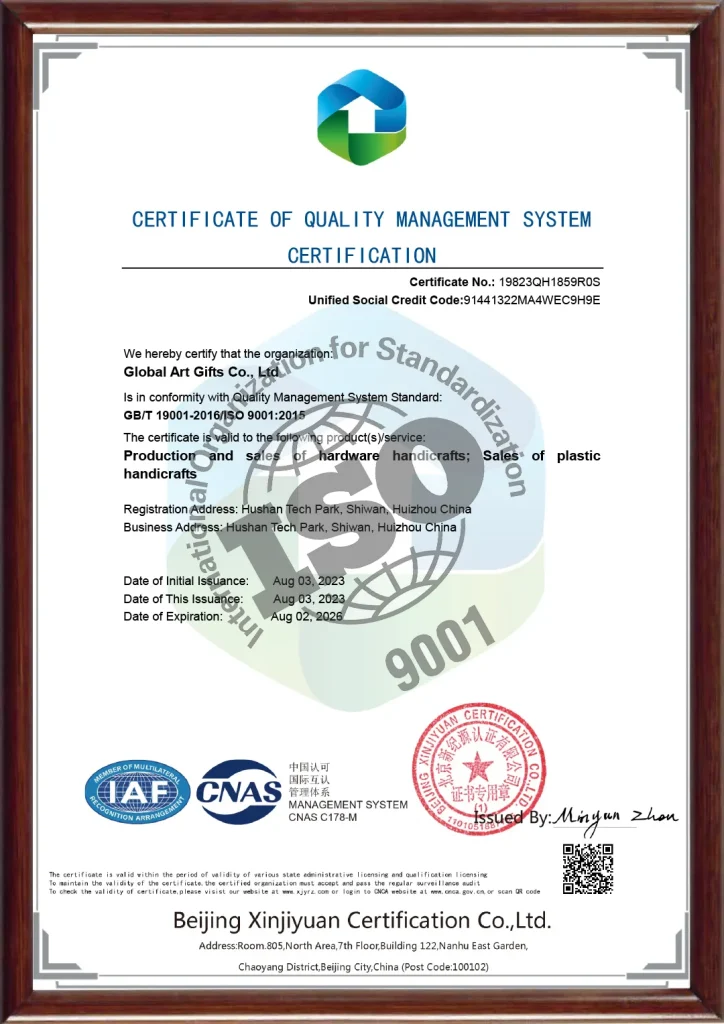 BadgeArtisans-ISO 9001
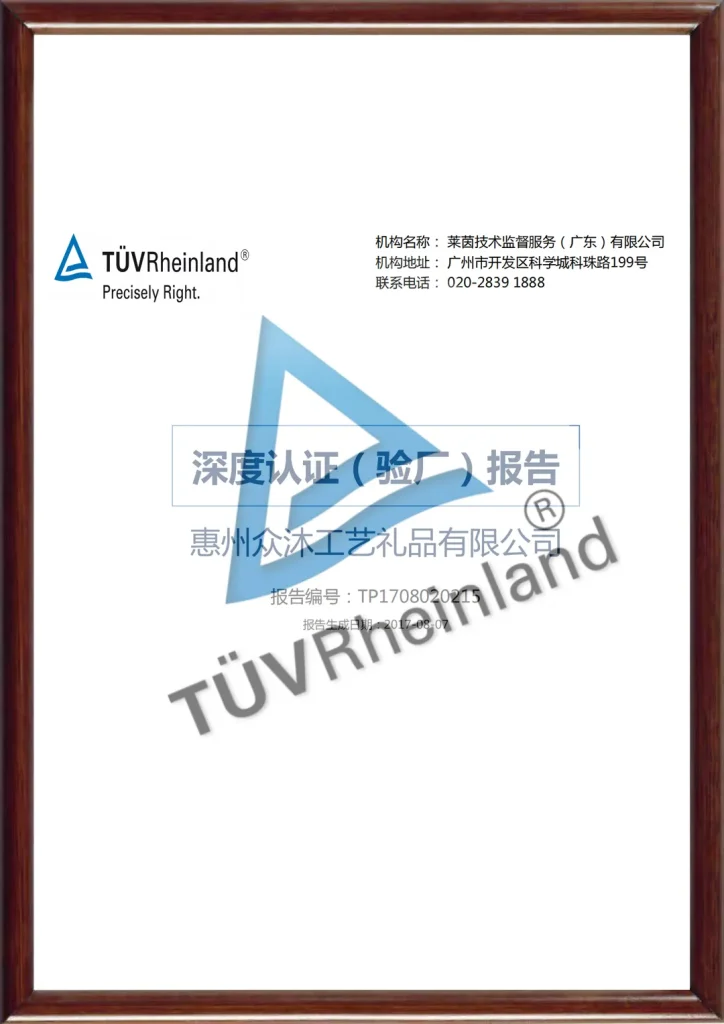 BadgeArtisans-TUV Audit Report
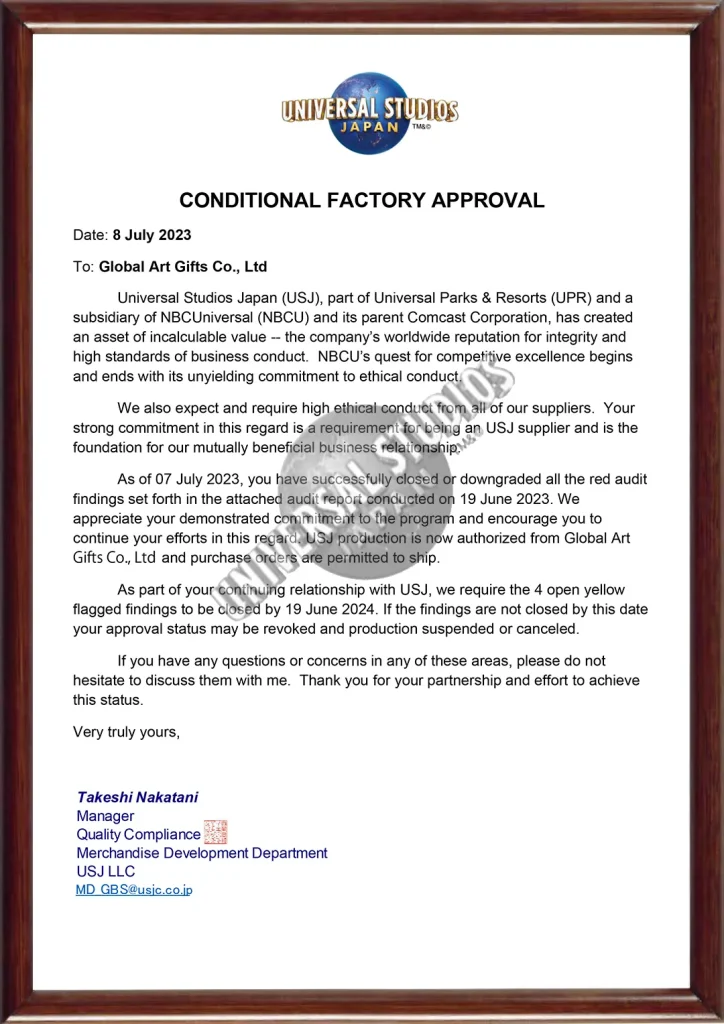 BadgeArtisans-Universal Studios Certificate
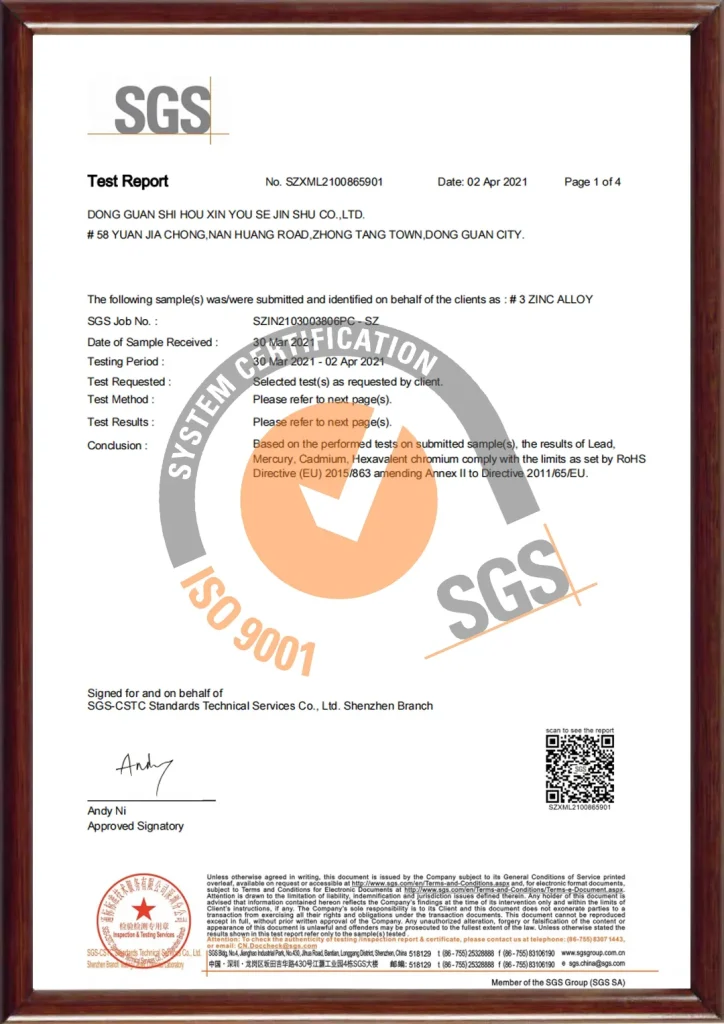 BadgeArtisans-SGS Audit Report
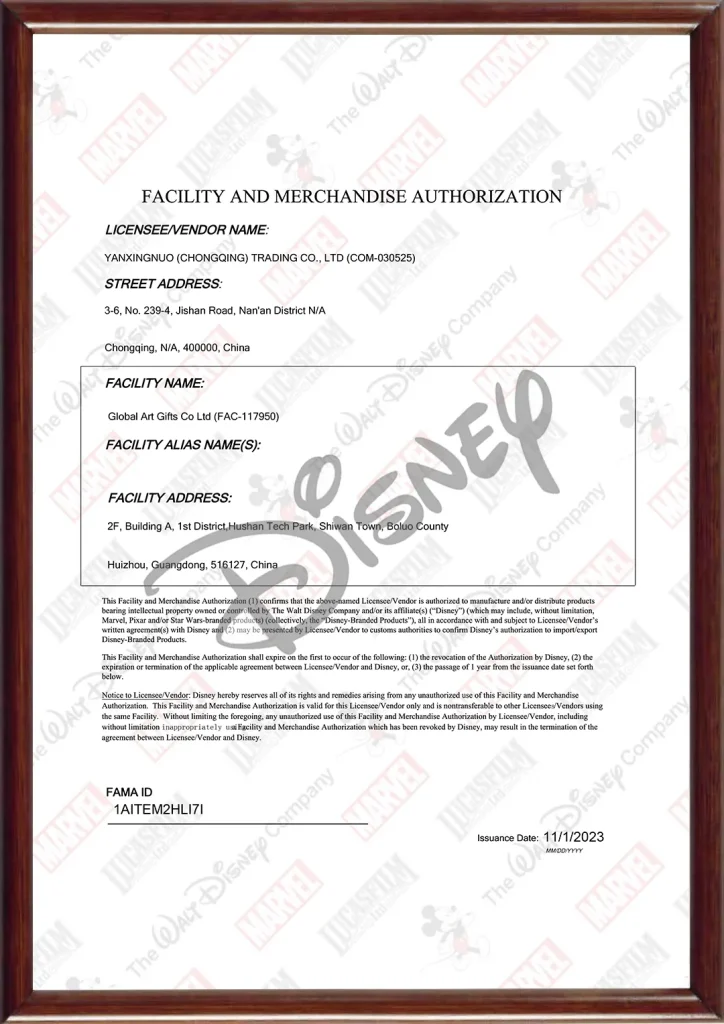 BadgeArtisans-Disney Audit Report
Audit and certification documents may be provided according to project requirements and document availability. View Certifications and Audit Reports →
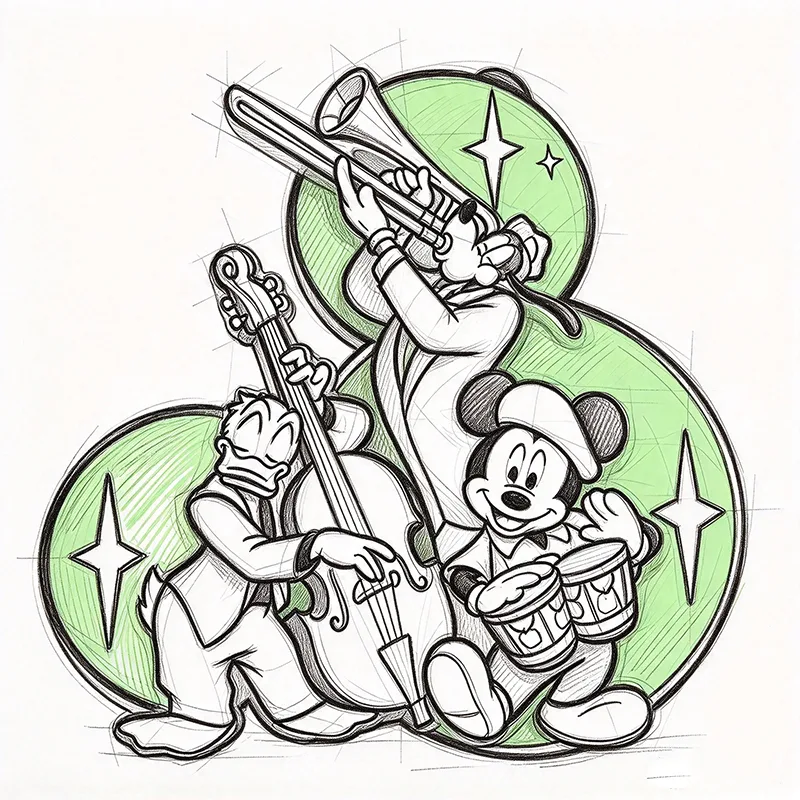
Concept-Rough-Sketch 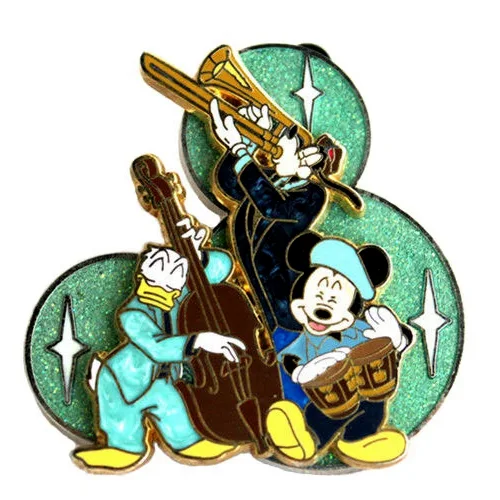
Physical-Sample-Proof
What You Receive as Proof
The question buyers ask most often is “how do I know”. The answer cannot be “we checked it”. It has to be something you can look at and act on.We keep a record at every point in the chain. Buyers can request it.
|
Point |
What you receive |
Format |
|
Artwork review |
Manufacturability findings, listing details that cannot be produced and how each will be handled |
Annotated digital proof, email |
|
Sampling |
Digital proof, physical pre-production sample, sample photos and video |
Image, video, physical sample |
|
Mold first article |
First article photos, checked line by line against the digital proof |
Image |
|
Plating and coloring |
Batch color comparison photos |
Image |
|
Assembly and packing |
Photos confirming how the goods are packed |
Image |
|
Before shipment |
Full inspection result, packing photos, carton marking photos |
Image, inspection record |
|
On request |
Third-party test reports, such as SGS or TUV Rheinland |
PDF report |
Before shipment we inspect the full quantity and provide photos or video for your confirmation. If you need an independent opinion, you can appoint a third-party inspection agency to attend. Section 9 covers how we work with them.
If You Bring Your Own Inspector
Some buyers have their own QC team, or appoint a third-party inspection agency. We work with them and put no obstacles in the way. One thing is worth stating first.
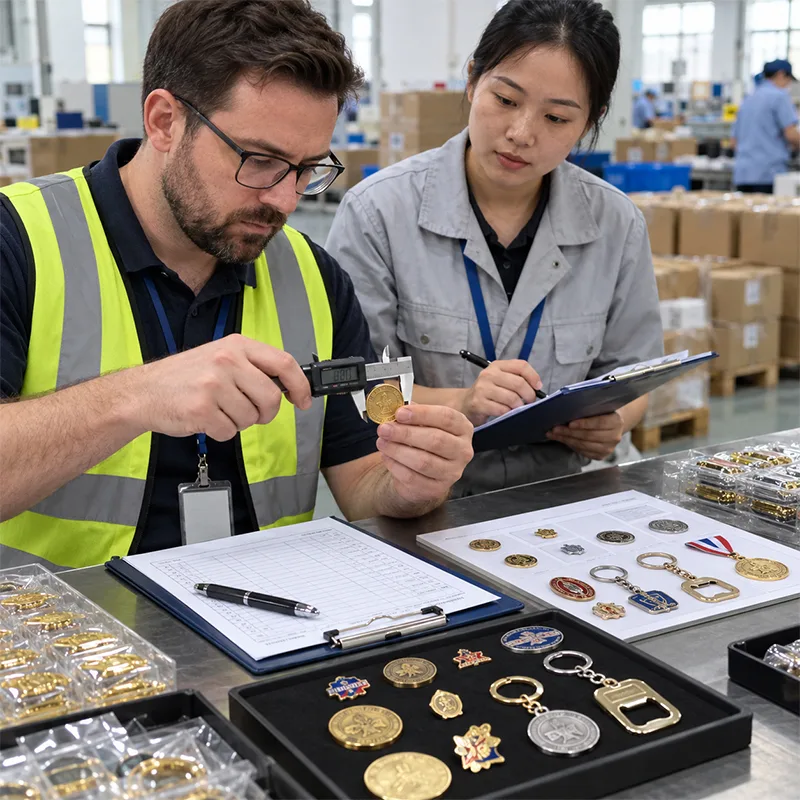
We are a factory, not a third-party inspection company. The two get confused, and they answer different questions. We run process control on our own production, which means preventing defects at each control point. A third-party inspector provides independent verification, which means judging at the end whether the goods pass. There is no conflict, and many buyers use both. We run the process. The inspector gives the independent sign-off before shipment. What we provide:
- Production scheduled around the acceptance standard you specify, whether that is an AQL level or your own internal standard, so the inspector can attend at the right point
- The goods staged for inspection, space to work, and the specification files and sample confirmation
- Permission to photograph and film inside the factory, including video of the production line and the inspection itself
- Advance coordination of the schedule when you appoint an agency such as SGS, TUV or Bureau Veritas
- For longer programs, acceptance standards written into a framework agreement through OEM and ODM programs
Inspection fees and travel are arranged between you and the agency. We do not take part in the pricing.
See Our Factory Quality Control in Person
Customers and sourcing teams are welcome to visit our factory, review samples, walk through production areas and see how bulk orders are checked at different stages. From the sample room to coloring, assembly and final production checks, our team can explain the approved specifications, show the actual goods in production and review key quality points with you on site.For buyers who cannot visit in person, we can also provide production photos, videos and inspection records at agreed stages.
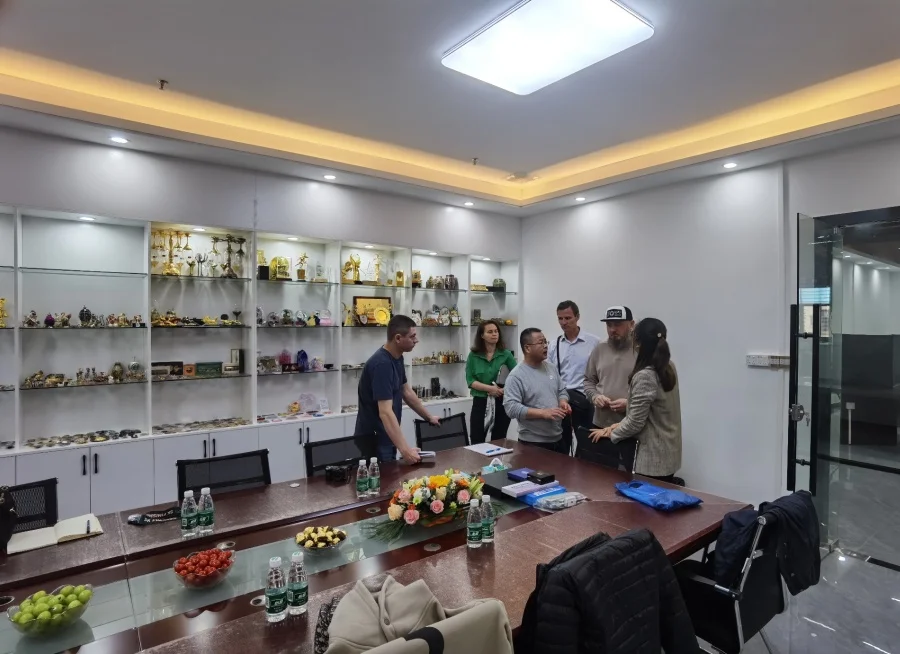
Factory-Visit-Project-Review Review Your Project With Our Factory Team
Factory visits can start in our sample room, where buyers review product examples, finishes, packaging and project requirements with our team before walking through production.
For existing projects, we can prepare approved samples, specifications and current production status in advance so your visit focuses on the details that matter to your order.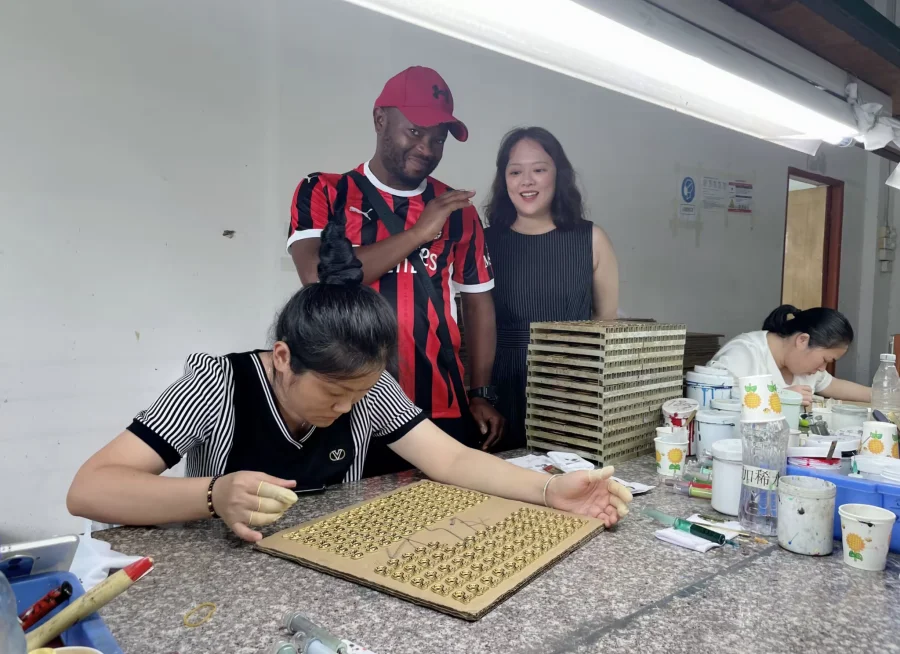
Review-Quality-at-the-Actual-Production-Stage See Bulk Production on the Factory Floor
During a factory visit, buyers can review actual work in progress instead of seeing only finished showroom samples.Our team can walk through the relevant production area, compare bulk pieces with the approved sample and explain the checks used for dimensions, surface finish, attachments and other order-specific requirements.
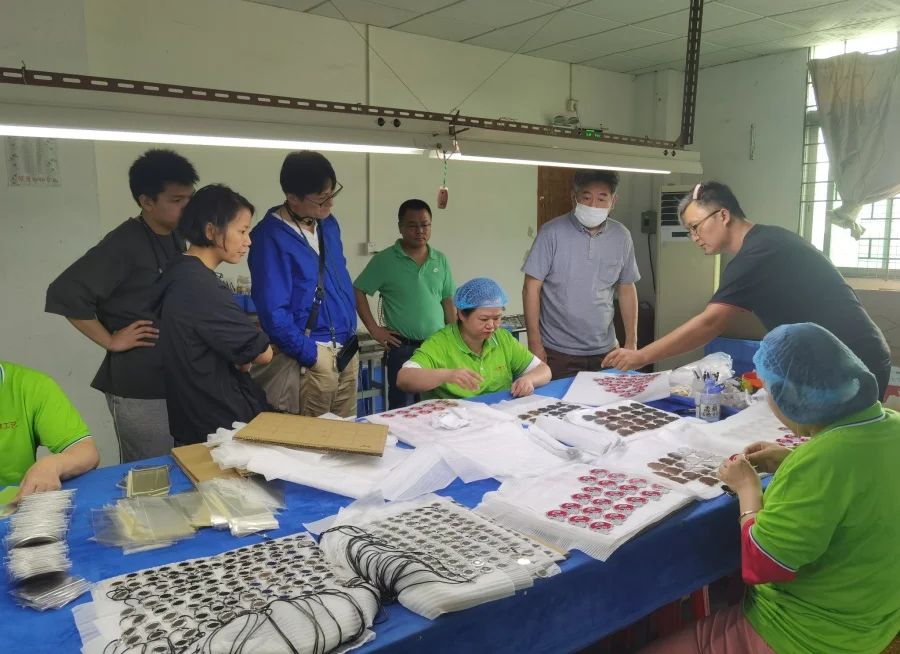
Customers-Can-Visit-the-Working-Production-Area Review Quality at the Actual Production Stage
Quality requirements can be reviewed where the work is actually being done. Buyers can observe coloring, assembly and other production stages, see current batches and discuss process-specific risks directly with our team.If a project has special acceptance criteria, we can use the approved sample and written specifications as the reference during the on-site review.
When a Problem Appears: The 24-Hour Rule
No quality system can promise zero defects. What a buyer is really assessing is how the other side moves when something is wrong.
The Five Rules
The rules came out of a real dispute. An Egyptian customer, 33Design, received a printed pin whose plating color did not match what they expected. The disagreement was over silver against matt silver. We turned the handling of it into five rules.
Clarity
Finish names are written in full with a swatch image. Nothing is left to a verbal agreement.
Rigor
The pre-production sample is signed off in writing and becomes the reference for the bulk run.
Action
We respond the same day with a plan, not with an explanation.
Evidence
Photos, video and third-party reports carry the case.
Timing
Every issue is closed within 24 hours.
1
2
3
4
5
FAQ
Send Your Spec for a QC Review
Send us the product specification, your acceptance criteria and the failure points you are most concerned about, and we will return a control point list and inspection standard for your order. If you already have a pre-production sample, or defect records from an existing supplier, send those too. We will assess the risk in the batch against the same standards. Ordering steps are on how to order and common questions are on FAQ.