Home – Custom Lapel Pins – Employee Recognition Pins
EMPLOYEE RECOGNITION PROGRAMS
Custom Employee Recognition Pins for Service and Team Awards
A recognition program is not one pin. It is a set of levels, a list of names, and a date when people walk on stage. As part of our custom lapel pins range, we build the pins for that sequence: one design family, a year that can change without a new die, and a packing plan that matches your roster. MOQ is 100 pieces per design, samples take 7-10 days, and bulk runs 15-18 days from approval.
· 100 pcs per design, each level quoted separately
· Samples in 7-10 days, bulk in 15-18 days
· Soft or imitation hard enamel, die struck and printed builds
· Pantone references recorded for every reorder
· Molds kept 3 years; 10,000 pcs refunds the mold fee
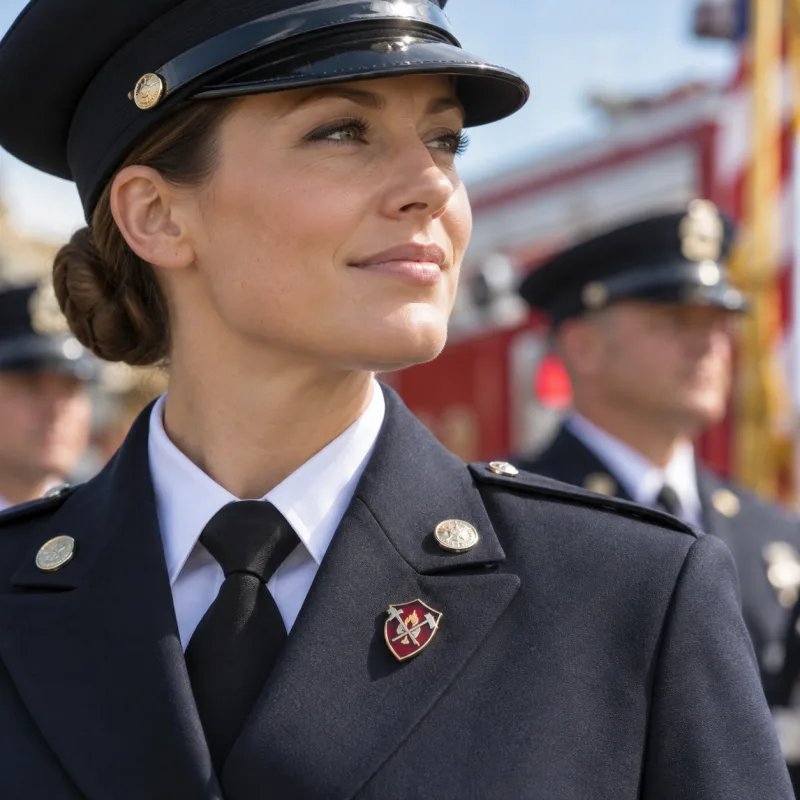
1. Custom Employee Recognition Lapel Pins We Have Produced
Below are custom corporate pins from our line. Each one lists logo, process, size, plating and backing.
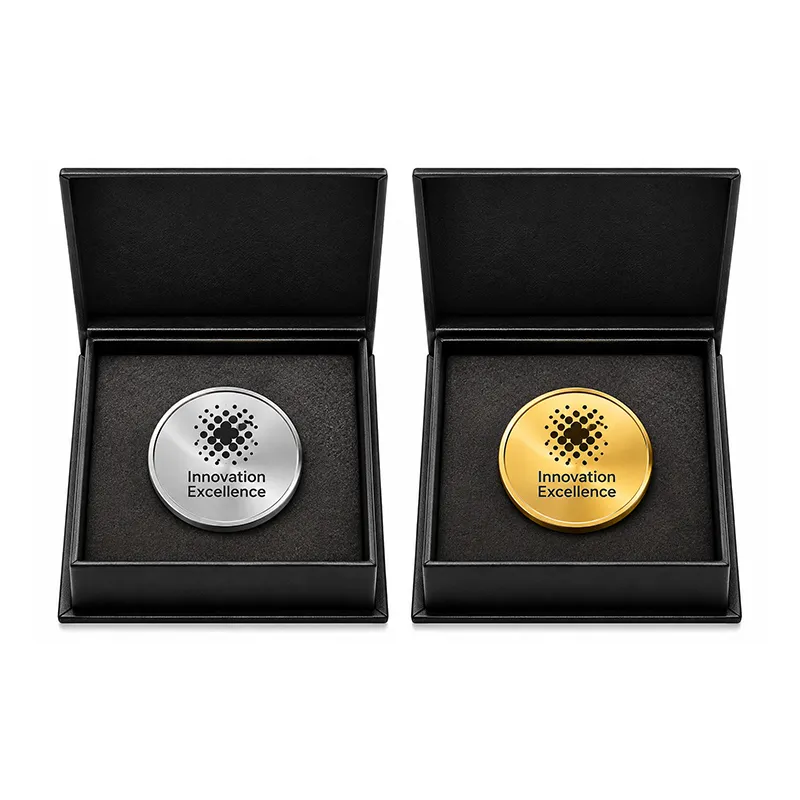
Custom Employee Recognition Pins for Innovation Awards
| Size | Ø 35–40 mm |
| Use | Innovation/Achievement Recognition |
| Process | Laser Engraving & Marking |
| Plating | Silver / Gold |
| Backing | Butterfly Clutch |
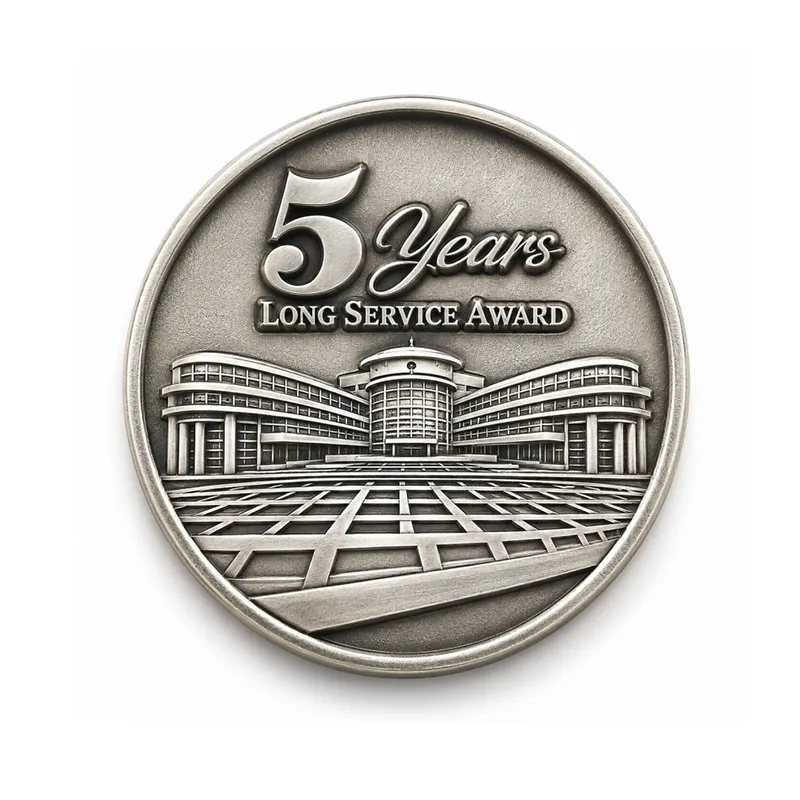
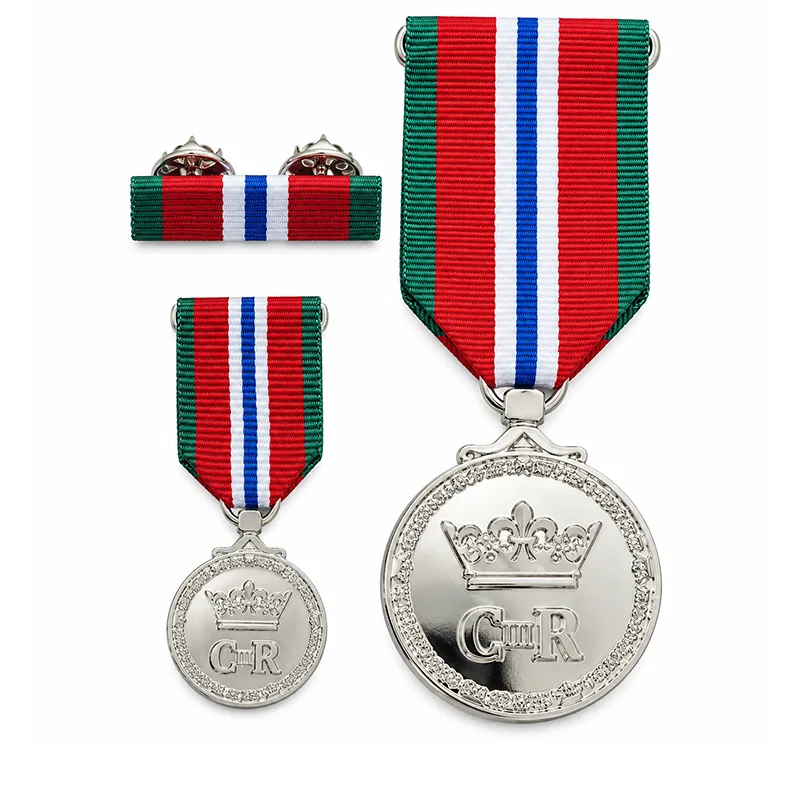
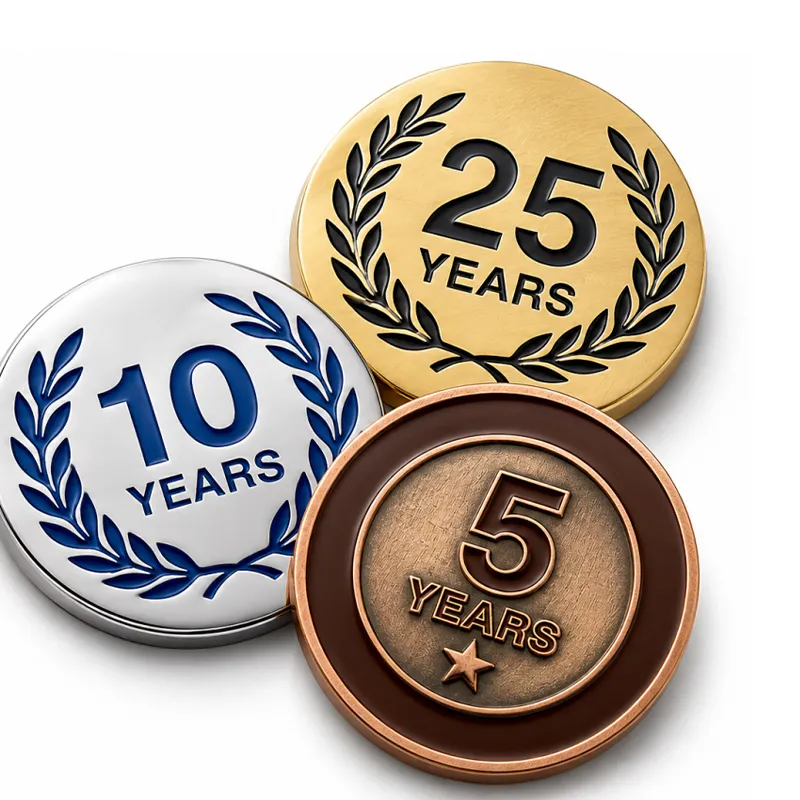
Custom Employee Recognition Pins for Service Milestones
| Size | Ø 50–55 mm |
| Use | Employee Service Anniversary Awards |
| Process | Die Casting + 3D Relief |
| Plating | Antique Silver |
| Backing | Butterfly clutch |
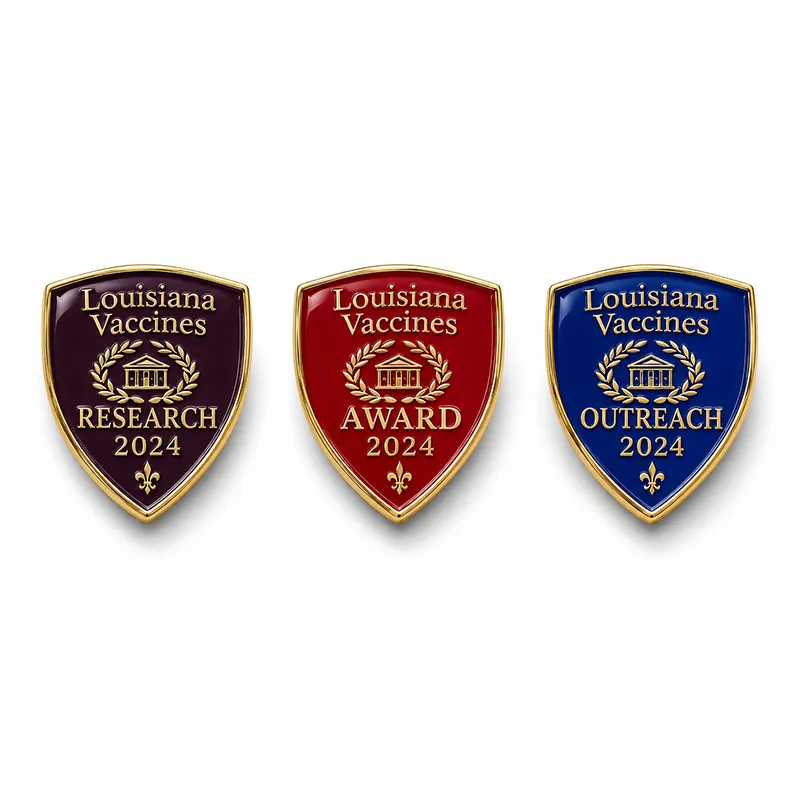
Custom Employee Recognition Pins for Team Achievement
| Size | 30 × 40 mm |
| Use | Team Recognition & Achievement Awards |
| Process | Die Casting + Soft Enamel |
| Plating | Shiny gold |
| Backing | Butterfly clutch |
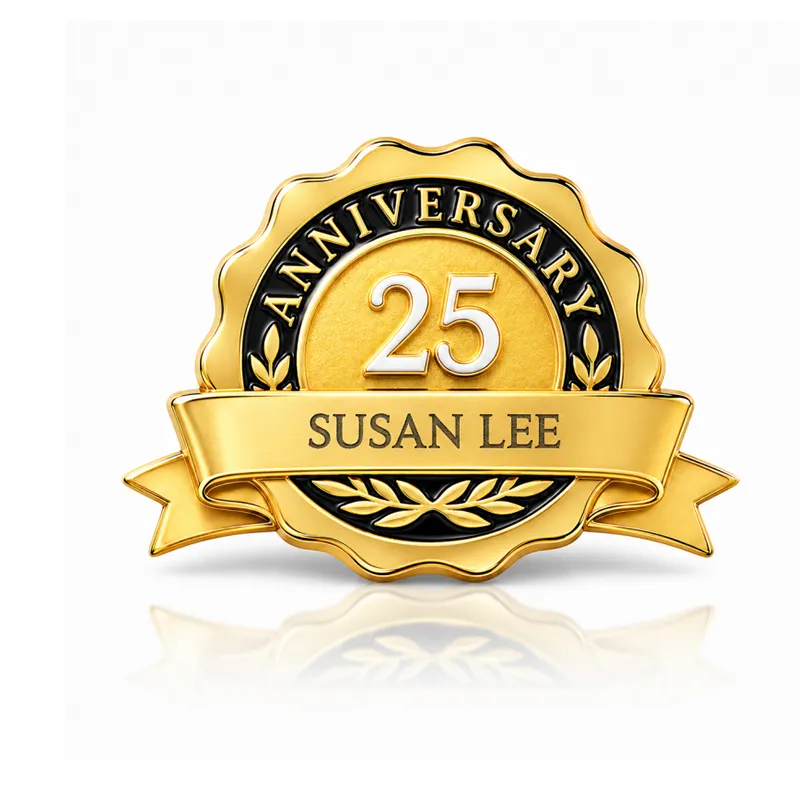
Custom Employee Recognition Pins for Employee Loyalty
| Size | 45 × 40 mm |
| Use | 25-Year Employee Service Recognition |
| Process | Die Casting + Laser Engraving+Enamel |
| Plating | Gold |
| Backing | Metal butterfly clutch |
Case parameters are filled from the original sample records, not estimated. Only custom employee recognition pins appear here. Corporate company logo pins belong to custom corporate pins.
2. Where Recognition Lapel Pins Fit in a Program
Recognition pins are bought for five recurring moments. Each has a different cadence and a different number of recipients, and that changes how the pin should be built before anything is drawn.
|
Moment |
Typical levels |
Recipients per year |
What it asks of the pin |
|---|---|---|---|
|
Service years |
5, 10, 15, 20, 25 |
1-2 per level |
One design that can roll forward each year |
|
Performance and spot awards |
Monthly or quarterly |
1-20 |
Short replenishment runs or held stock |
|
Values and culture awards |
3-5 behaviours |
5-50 |
Distinct colour bands within one family |
|
Retirement and onboarding |
Single event |
1-10 |
A name and a date that must be exact |
|
Team and project milestones |
One-off |
10-100 |
A fixed in-hand date for a group |
The five moments share a manufacturing logic. Service years and values awards repeat, so the design family matters more than any single pin. Spot awards and team milestones arrive with a date, so stock and changeover time matter more than the drawing. Retirement pins are bought in tiny numbers, which makes the placement of the name the decisive choice.
This page covers employee moments only. Company logo pins worn on uniforms, handed out at trade shows or sent as client gifts are a different program with a different buying cycle; those are covered under corporate logo pins. A recognition pin also differs from a name badge: it marks an event or a year, not who someone is at the door.
If the program is still being written, decide the levels and the recipient count first. The design conversation gets much shorter once those two numbers exist.
3. Building a Level System Without Rebuilding the Mold
Most programs start with four to six designs and then grow. The outline, the size and the position of the logo stay fixed; the level is signalled by plating, a colour band, or the year itself. That is what keeps a program coherent and what keeps tooling under control.
|
Stays the same |
Changes by level |
|---|---|
|
Outline and size |
Plating: shiny gold, antique gold, silver, black nickel |
|
Logo position and proportion |
One enamel or print colour band |
|
Backing type |
The year, as raised metal, engraving or print |
|
Packaging structure |
A gemstone, a ribbon or a small marker |
How the Year Changes
There are two honest ways to carry a year, and they behave differently over a decade.
· Year in the die: the year is raised metal and part of the mold. It reads strongly, and changing the year means a new die for that level.
· Year applied after plating: the year is engraved or printed onto the finished pin. The same die works year after year, and the change is handled in finishing.
If you expect the program to run for ten years, decide this before the first mold is cut. A raised year looks more like a traditional service award; an applied year is cheaper to roll forward. We mark the choice on the approval drawing so the next order does not reopen the question.
One outline, four levels: plating, a colour band or the year carries the tier.
Three Common Structures
|
Structure |
Designs on first order |
Molds on first order |
Best for |
|---|---|---|---|
|
Four levels: 5 / 10 / 15 / 20 |
4 |
4 |
Most mid-size companies |
|
Six levels: add 25 / 30 |
6 |
6 |
Long-tenure workforces |
|
Annual: every year 1-10 |
1 + year change |
1 |
Startups and fast-growing teams |
Do not add a level until the lower level can meet the 100-piece minimum, or until you accept holding stock. Level design and order quantity are the same decision, which is why the next section is about headcount rather than artwork.
4. MOQ 100 and the Math of Small Award Groups
This is where most recognition projects stall. Our minimum is 100 pieces per design. If the 15-year group has six people, that design still starts at 100. The answer is not to hide the minimum; it is to plan the structure around it.
|
Recipients in a level |
What we can do |
What it means for the program |
|---|---|---|
|
100 or more |
Produce the level as drawn |
Straightforward; the mold is amortised over the run |
|
30-99 |
Combine two adjacent levels with a year applied after plating |
One mold covers both levels; the year differentiates them |
|
6-29 |
Use one design for the whole program and differentiate by card or box |
Lower tooling; the presentation carries the level |
|
1-5 |
Hold a standard level design in stock and personalise the card |
No new mold; the name is handled on the card or label |
We quote the 100-piece minimum as the mold and setup run, not as a surcharge added after the fact. Below that quantity, either the unit cost rises or the project waits for the next cycle. Saying that plainly saves a quote cycle.
Count Recipients Before You Count Pins
Send the headcount for each level, not a total. A program with 240 people across four levels is not one 240-piece order; it is four designs with four different quantities, and only some of them clear the minimum.
Mid-Year Joiners and Promotions
Someone who reaches five years in August still expects a pin in August. Two options work: hold 10-20% of each level in stock for mid-year awards, or accept a replenishment order at the same 100-piece minimum. Decide which one at the start, because the second changes the annual budget.
What to Send for a Quote
· Recipient count for each level
· The names, if the name goes on the pin or the card
· The date the pins must be in hand
· Where the pin will be worn: lapel, lanyard, uniform or boxed presentation
Start Your Recognition Pin Program
Send the levels, the headcount for each level, the names if they go on the pin or the card, and the date the pins must be in hand. We return a written specification and quote within 12 hours, with an artwork review within 24. Samples take 7-10 days; bulk runs 15-18 days after approval.
5. Where the Name Goes: Pin Back, Backing Card or Box
A recognition pin usually carries a name, and the name is where personalised orders go wrong. The question is not whether names are possible. It is which surface should carry the name for this quantity, this budget and this moment.
|
Placement |
How it works |
Best when |
Watch-outs |
|---|---|---|---|
|
Back of the pin |
Laser engraving on the reverse, one piece at a time |
5-50 senior awards; the pin is kept |
Space on the back, text size, per-piece handling |
|
Backing card |
Printed card behind the pin |
20-300 recipients; fast distribution |
Data formatting and spell-check |
|
Gift box label |
Printed label on the box |
Executive and long-service awards |
Label size; boxes must be packed by person |
|
Pouch or envelope label |
Printed label for bulk distribution |
Large programs sorted by team or site |
Label adhesion; matching against the roster |
Space can be reserved for laser-printed names.
For a handful of long-service awards, the back of the pin is the more personal choice: the name travels with the object, not with the packaging. For a few hundred people, the card is usually faster and easier to correct, and it can carry the year, the department and a short message. Many programs use both: the pin carries the level, the card carries the person.
The Roster Workflow
· One row per person: name exactly as it should appear, level, department, site
· We check the list against the approved design and flag long names or special characters
· You sign the final list; production works from that signed version
· Cards and labels are checked against the list before packing, not after
Back engraving is confirmed per project after we see the reverse of the pin and the length of the names. Where the back cannot take the text cleanly, the name moves to the card or the box label rather than being squeezed into the metal.
6. Matching the Pin Build to Each Award Level
The level should decide how much the pin costs, not the other way round. A monthly spot award and a 25-year service award do not need the same build, and using the same build for both is how programs become either expensive or forgettable.
|
Level |
Recommended build |
Why |
Details |
|---|---|---|---|
|
Monthly and spot awards |
Soft enamel |
Colour, speed and a lower unit cost for repeat runs |
|
|
Service years |
Die struck, all-metal or enamel filled |
A classic award surface that reads at small sizes |
|
|
Executive and long service |
Imitation hard enamel |
Flat, polished surface with a jewellery-like finish |
|
|
Multi-colour or photographic logo |
Printed (UV, offset or screen) |
Gradients and fine detail that enamel cannot hold |
|
|
Milestone and sculpted awards |
Die cast 3D |
Relief with curves and multiple levels |
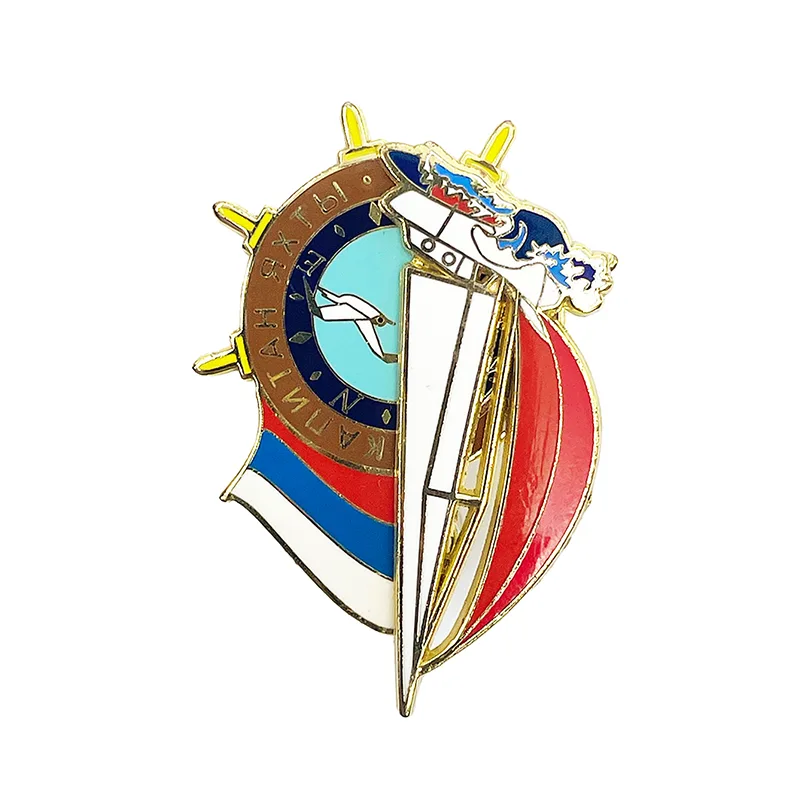
Yacht-Captain-Imitation-Hard-Enamel-Pin-Front 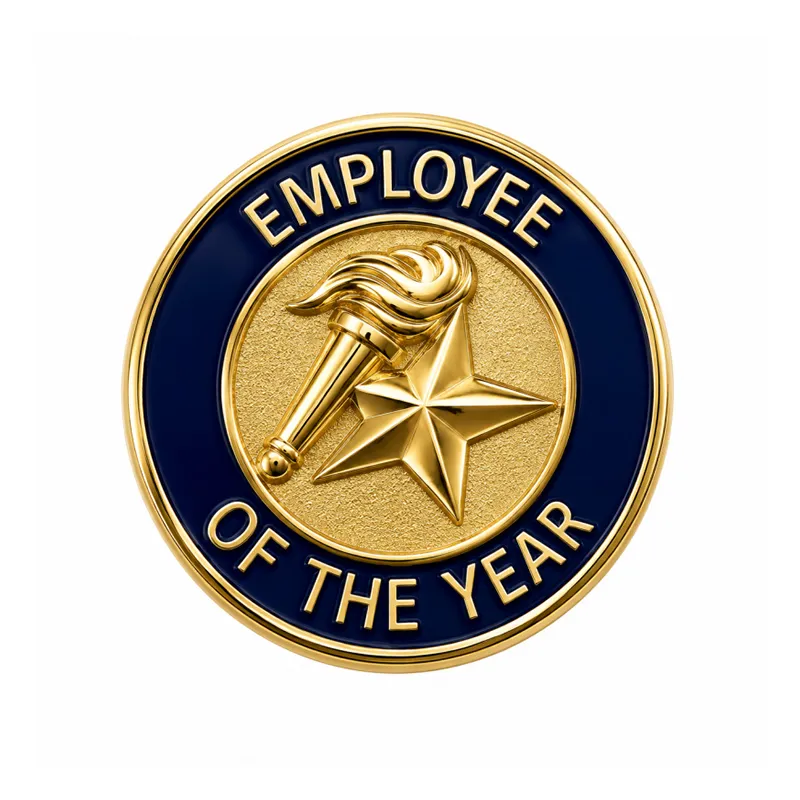
Employee-of-the-Year-Gold-Enamel-Pin 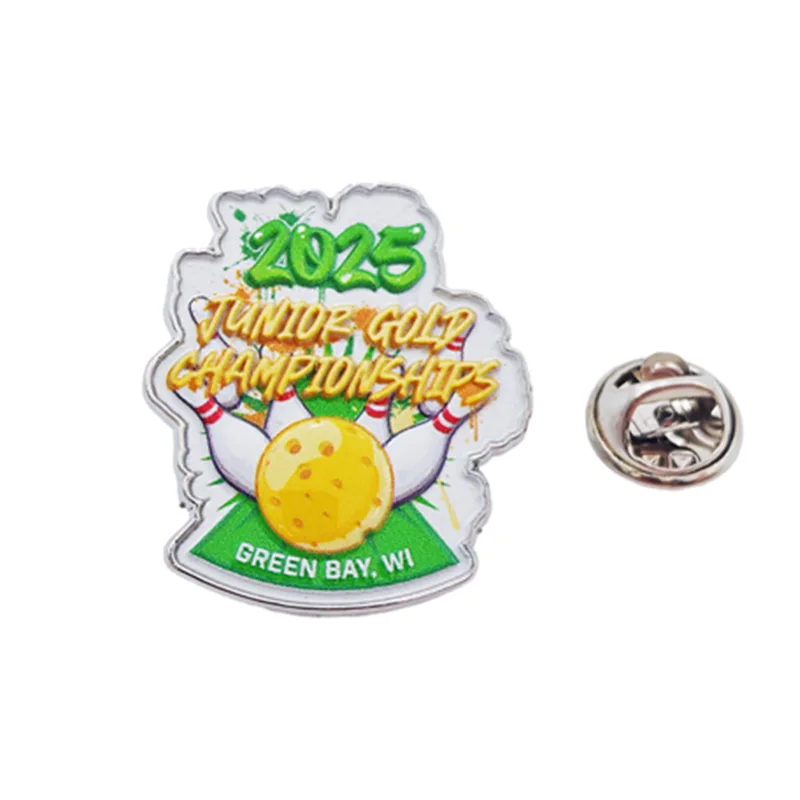
UV-printed-lapel-pin-for-Junior-Gold-Bowling-Championships 
Custom-Die-Struck-Brass-Pin 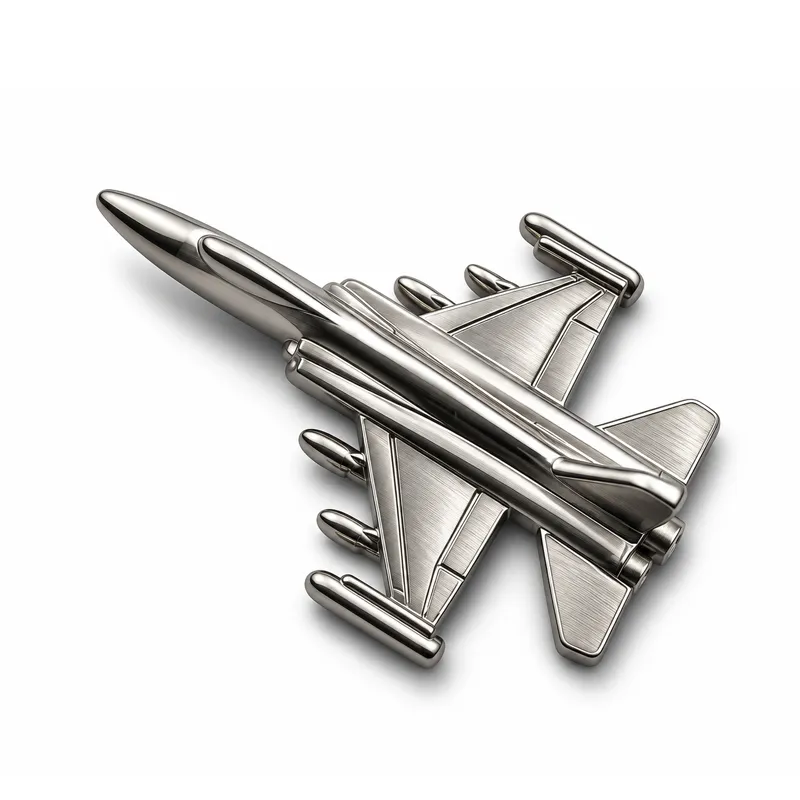
3D Fighter Jet Lapel Pin
One production limit is worth stating early: we make soft enamel and imitation hard enamel. True cloisonné, fired at 750-850°C, is not part of our process. If a brief is written for cloisonné-grade enamel, we confirm whether imitation hard meets the requirement before quoting; the surface is flat and polished, but it is not cloisonné.
Within a program, the build can change by level. A soft enamel 5-year pin and a die struck 20-year pin can share the same outline and logo position, which keeps the family recognisable while the material signals the milestone.
7. Designing for a One-Inch Surface
Most recognition pins land between 0.75 and 1.25 inches. At that size every element competes with every other element, and the design that looked right on a monitor loses its smallest line on the mold.
The Order to Cut
· Department name: move it to the backing card first
· Long surnames: widen the pin or move the name to the card
· Secondary text such as an establishment year or slogan
· Decorative detail inside the logo
Keep the logo silhouette, the level or year, and a short name where the space allows. A pin that reads as one clear shape from a metre away is doing its job; a pin with four lines of text is doing none of them.
When to Enlarge
|
Size |
Fits comfortably |
Use when |
|---|---|---|
|
0.75 in |
Logo and year |
Lapel wear, subtle everyday recognition |
|
1 in |
Logo, year and a short name |
The default for most programs |
|
1.25 in |
Logo, year and a full name |
Names that run long |
|
1.5-2 in |
Logo, name, department, date |
Award-style pieces and framed presentation |
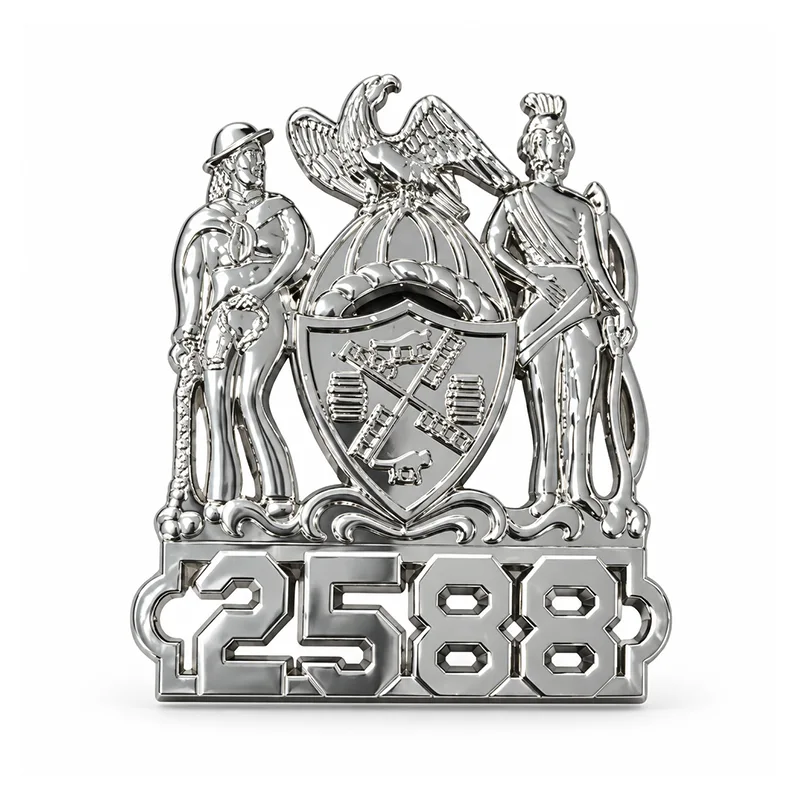
At one inch, the logo and year hold; a full name needs the wider size.
Metal Rules That Decide the Layout
Raised or recessed metal lines need a minimum width of 0.2 mm. Enamel fill needs 0.3 mm on soft enamel and 0.5 mm on imitation hard. Thin strokes close up first, so a name set in a light, narrow typeface will fail before a heavier one at the same size. We review the actual artwork and mark the letters that need bolder strokes or simplification on the approval drawing; we do not quote a single millimetre figure for text height, because it depends on the letterform.
8. Reordering Next Year Without Color Drift
The second order is where recognition programs fail quietly: the same logo, the same Pantone number, and a red that is slightly warmer than last year. The fix is a record, not a promise.
· The Pantone reference for every colour is written on the approval drawing
· The approved sample and the colour record are kept with the order file
· Plating and recess treatment are recorded: shiny or antique, enamel fill or print
· The mold is kept for 3 years; a cumulative 10,000 pieces refunds the mold fee
· On reorder, the new run is compared with the record before production, not after
This is also the practical argument for keeping the same maker. If the program moves to a new supplier, the drawing may travel but the plating line, the enamel batch and the person who matched the colour do not. A reorder quote that looks cheaper often carries a colour risk that is invisible until the pins sit side by side.
Send a photo of last year’s pin with the reorder request, even if the file exists. A photograph catches the drift that a specification misses.
9. Packing by Person, Team and Site
A carton of 300 pins is not a distribution plan. Recognition pins are usually handed out one at a time, often by different managers, sometimes in different cities.
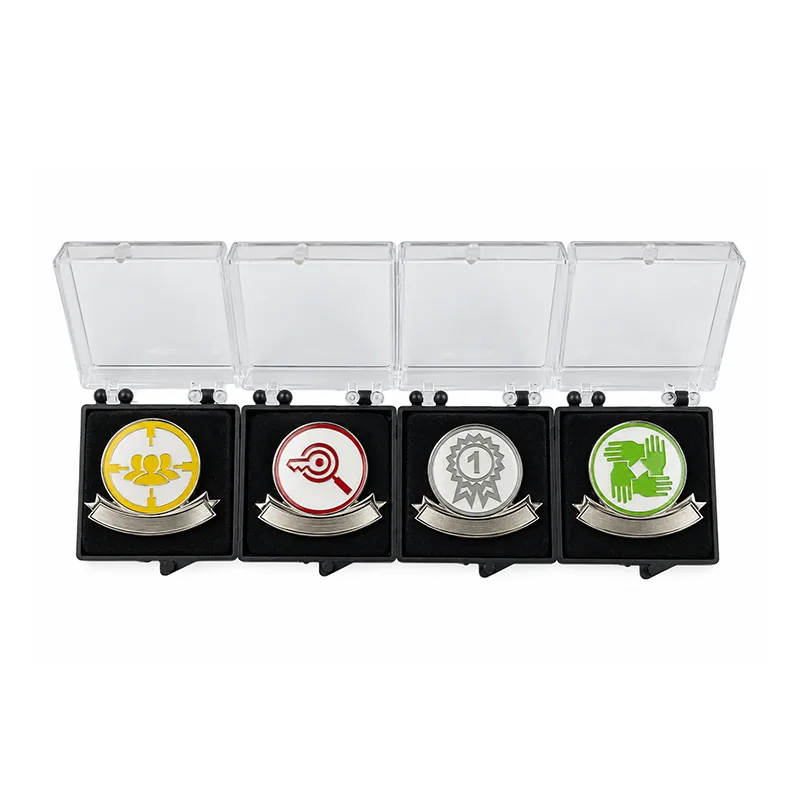
Packed by person and department, then matched to the distribution list.
· Individual bag with a backing card, one per recipient
· Department or site split, labelled and matched to a packing list
· Levels packed separately so a 10-year pin is never handed out at a 20-year moment
· Box or pouch for senior levels, with the name on the label
· Multiple shipping addresses when the program runs across sites
Backing cards can carry the program name, the year and the level as standard print. Where a printed name is needed on every card, the data format and print method are confirmed before production. The distribution list is the source of truth; we pack to the list, not to the order quantity.
Packaging is quoted separately from the pin, because the variables are different: card size, print colours, bag or box, and the amount of hand sorting. Details are on the packaging options page.
10. Proofing a Personalized Run Before Bulk
In a personalised run, most errors are data errors, not manufacturing errors. The checks are therefore split between the drawing and the list.
|
Gate |
What is checked |
Who signs |
|---|---|---|
|
Artwork proof |
Size, colours, spelling on the pin itself |
Client |
|
Roster proof |
One row per person, level, department, site |
Client |
|
Pre-production sample |
Physical pin against the approved drawing |
Client |
|
Bulk inspection |
Level, plating, attachment, card-to-name match |
Factory, with photo or video |
The roster check is the one buyers underestimate. A single transposed letter in a 200-name list is not a printing defect; it is a data defect, and it is cheaper to catch before the cards are printed. We compare the list against the signed version and photograph the first packed sets.
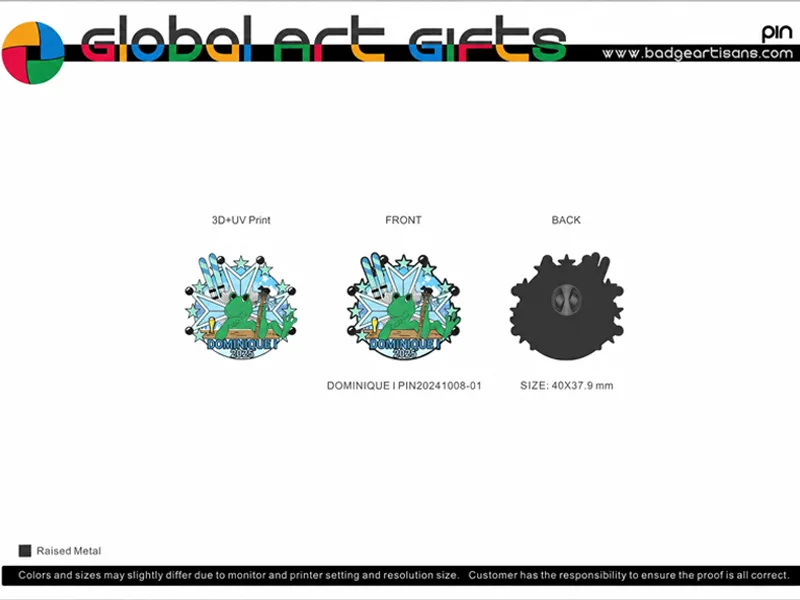
The roster proof is checked against the signed list before cards are printed.
11. What Drives the Cost of a Recognition Program

A four-level program is not four times the price of one pin, and it is not one price divided by four. Each level has its own mold, its own quantity and often its own build.
· Number of designs (levels), because each one carries a mold
· Quantity per design, because the mold is amortised across the run
· Size, measured by the longest edge
· Process: soft enamel, imitation hard, die struck, printed or die cast
· Plating and the number of enamel or print colours
· Personalisation: back engraving, card print or box label
· Packaging and the amount of hand sorting
· Deadline, where a rush changes the production sequence
Ask for a quote per level rather than one blended number. A blended price hides which level is expensive and makes next year’s budget impossible to compare. We quote each design separately, with the mold, the unit price at your quantity and the packing cost shown as separate lines.
12. Frequently Asked Questions About Employee Recognition Pins
SEND YOUR AWARD LIST
Have a roster ready?
Send the levels, the headcount per level and the names. We return a written spec and quote within 12 hours and an artwork review within 24.